Calcium-Based Wire Drawing Powder & Stearate Soaps
High-performance calcium stearate and saponified dry drawing powders formulated for heavy reduction passes and continuous multi-die drafting. Engineered with controlled thermal plasticity (140°C to 160°C), tight grain sizing, and extreme-pressure boundary film strength to prevent die scuffing, wire chattering, and surface scratching on Mild Steel (MS), binding wire, electrode wire, and medium carbon steel rod.
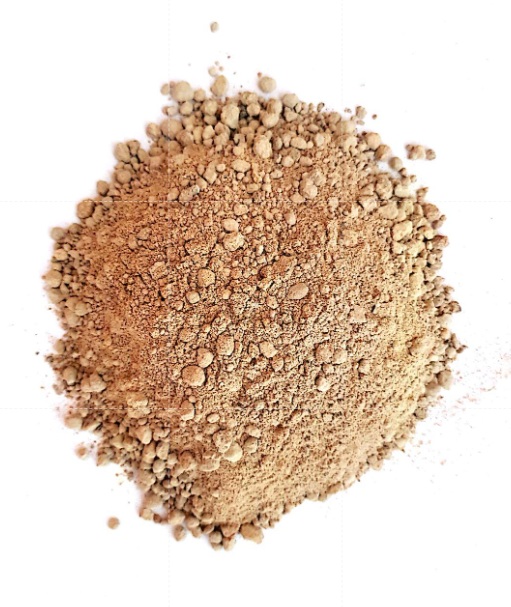
Direct supply from Ghaziabad plant with batch COA traceability, verified grain consistency, and 100% moisture protection.
Operational Performance Specifications
| Operational Metric | Engineering Specification & Behavioral Range |
|---|---|
| Physical Appearance / Form | Off-White to Pale Cream Granular Powder (D-45/P-75/PKL) / Charcoal Grey-Black (85 Black) |
| Lubricant Base Chemistry | Calcium based |
| Maximum Continuous Drawing Speed | Up to 10 m/s on Multi-Block Continuous Machines |
| Suitable Substrates | Suitable for Low & Medium Carbon, Binding Wire, Nail Wire |
| Die Wear Protection | Significantly Extends Die Life |
| Standard Packaging | 50 KG Net Multi-Wall HDPE Moisture-Barrier Bags with Inner Sealed Liner |
| Recommended Storage | Keep Elevated on Pallets in Dry Ambient Warehouse Away from Moisture |
Calcium Series Grade Selection Matrix
Engineered formulations tailored to specific rod preparation methods, reductions, and surface finish requirements.
D-45 (All Rounder)
Our flagship calcium powder for general breakdown and multi-pass continuous drafting from 5.5mm down to 2.0mm. Delivers dependable die lubrication and uniform carrier pickup.
P-75 (Die Life Protector)
Fortified with high-lubricity calcium stearates to minimize tungsten carbide die throat wear during aggressive reductions. Keeps die approach angles clean and prevents die ringing.
PKL (Extra Shine)
Formulated specifically for acid-pickled, lime or borax pre-coated low carbon wire rods. Imparts an exceptionally bright, smooth, reflective surface without gummy deposits.
85 Black (Heavy Draft)
Fortified with ultra-fine colloidal graphite and extreme-pressure additives. Engineered for mechanically descaled wire rods with residual mill scale dust to prevent die abrasion.
Shop-Floor Operational Guidance
Practical machine-setup recommendations from over three decades of on-site wire mill technical troubleshooting.
1. Die Box Fluidity & Anti-Tunneling Control
Poor powder circulation in the entry die box causes 'tunneling' or rat-holing, where the moving wire draws an empty channel through the powder, causing immediate lubricant starvation and die galling. Our calcium powders are produced with controlled granular sizing to ensure continuous gravity replenishment directly into the die reduction cone without clumping.
2. Hydrodynamic Boundary Layer Formation
Inside the tungsten carbide die, wire drawing generates substantial contact heat. At temperatures between 140°C and 160°C, our calcium soap undergoes a plastic phase transition, melting into a tenacious, high-pressure hydrodynamic boundary film that cushions the wire surface during heavy 20% to 30% area reductions per die.
3. Mechanically Descaled vs Pickled Wire Rods
Mechanically descaled (MD) rods carry micro-fine residual iron scale that accelerates tungsten carbide die wear. For MD rods, select Grade 85 Black or D-45 to bind with scale particulates. For chemically pickled rods treated with lime or borax carriers, Grade PKL or P-75 ensures optimum carrier adhesion and an exceptionally bright finish.
4. Die Geometry & Internal Block Cooling
For mild steel drafting using calcium lubricants, maintain an included die approach angle of 12° to 16° with a bearing length of 30% to 40% of wire diameter. Ensure continuous die jacket cooling with clean water flow (5 to 8 L/min per die box) to prevent overheating and soap burning inside the die housing.
Request a 25kg Mill Trial Bag for Machine Testing
Validate lubricant pickup, die temperature moderation, and wire surface finish directly on your plant drawing blocks. Provide your wire grade, operating speed, and mill city for instant dispatch.
Frequently Asked Questions
help_outline Why is calcium stearate powder preferred for mild steel (MS) wire drawing?
Calcium stearate is water-insoluble and maintains a plastic melting range of 140°C to 160°C. It forms a dense, durable hydrodynamic boundary film that withstands extreme contact pressures during rod breakdown and continuous drafting, preventing metal-to-metal galling and die wear.
help_outline What is the difference between D-45, P-75, PKL, and 85 Black grades?
D-45 is our versatile all-rounder for rod breakdown and continuous passes from 5.0mm down to 2.0mm. P-75 features an enhanced stearate carrier to extend tungsten carbide die life. PKL is formulated for acid-pickled and lime-coated rods to yield an ultra-bright metallic finish. 85 Black is fortified with fine graphite for aggressive drafting on mechanically descaled wire rods.
help_outline Can calcium-based wire drawing powder be used on mechanically descaled (MD) wire rods?
Yes. Our Grade 85 Black and Grade D-45 are engineered with balanced grain sizing and extreme-pressure additives specifically designed to bind over scale-dusted surfaces, preventing die scuffing and die choke.
help_outline Does the calcium soap film provide atmospheric rust protection on drawn wire coils?
Yes. Because calcium stearate is naturally water-insoluble and hydrophobic, the tightly adhered residual surface film acts as a protective barrier against ambient humidity during storage and inter-plant transit.
help_outline How can our plant request a 25kg Mill Trial Bag for machine qualification?
You can request a 25kg trial bag directly through our WhatsApp sales desk (+91-9999818908). Specify your wire grade, machine drawing speed, and mill city for immediate dispatch from our Ghaziabad plant.